
Medical Scientist Program
Participants and Research Projects
Super-resolution imaging of brain plasticity - Mapping the metabolic-epigenetic nexus in brain-aging and obesity
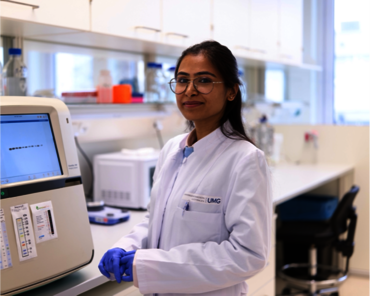
Dr. rer. nat. Mansi Rajput - Department of Anatomy and Cell Biology
Mansi Rajput completed her doctorate in the Department of Geriatrics at the University Medical Center Göttingen (UMG) in 2024. She was awarded the EKFS Medical Scientist Postdoctoral Fellowship and joined the Department of Anatomy and Cell Biology as a postdoctoral researcher in 2025.
Through her doctoral research, she demonstrated that obesity during ageing accelerates cognitive decline and enhances neuroinflammation - both early hallmarks of neurodegenerative diseases. Her current project aims to investigate the alterations induced by obese-ageing, focusing on changes in the brain’s microanatomical architecture using superresolution imaging, as well as alterations in the brain’s epigenetic landscape assessed through multi-omics approaches. Furthermore, she plans to use AI-based models to overlay imaging and omics data to identify interrelated structural and molecular changes.
Based on these analyses, epigenetic modifications associated with structural brain changes and cognitive decline will be identified, and promising candidate epigenetic biomarkers will be validated in patient cohorts. Ultimately, the project seeks to target and reset the underlying epigenetic organization to improve cognitive function and overall brain health.
Treatment-associated genomic and functional evolution of myeloid neoplasms
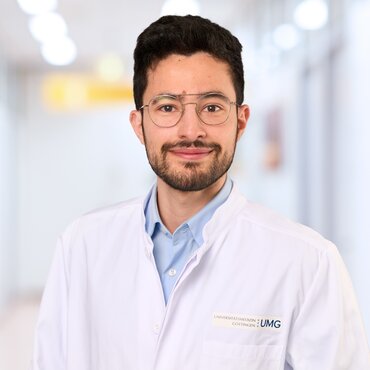
Dr. rer. nat. Paolo Mazzeo - Department of Hematology and Medical Oncology
Paolo Mazzeo completed his MSc in Medical and Pharmaceutical Biotechnology at the University of Florence and obtained his PhD / Dr. rer. nat. in Molecular Medicine at the University of Göttingen. He is currently a postdoctoral fellow at the INDIGHO Laboratory (Prof. Dr. Detlef Haase) and AG Koch (PD Dr. Raphael Koch) at the Department of Hematology and Medical Oncology of the University Medical Center Göttingen
During his doctoral training, his scientific focus was on clonal evolution and therapy resistance in myeloid malignancies, with particular emphasis on integrating longitudinal genomic profiling with functional apoptosis analyses. He developed translational approaches that combine molecular diagnostics and functional apoptosis profiling to characterize treatment-associated genetic evolution and anti-apoptotic dependencies in high-risk myelodysplastic syndromes and acute myeloid leukemia, as a basis for personalized, novel therapeutic approaches.
In his current project, he investigates the treatment-associated genomic and functional evolution of myeloid neoplasms through longitudinal patient sampling and integrative multi-omics. The project combines comprehensive molecular genetics and cytogenetic profiling, functional apoptosis profiling, and advanced bioinformatics to define mechanisms of clonal evolution, therapy adaptation, and resistance. Single-cell transcriptomic approaches are applied to resolve cellular heterogeneity and microenvironmental interactions, while translational strategies focus on developing personalized therapeutic concepts. Functional validation is performed through ex vivo drug testing and dynamic BH3 profiling, aiming to establish an integrated precision medicine framework for individualized therapy selection.
Malonate-mediated neuroprotection post-cardiac arrest in rats
Dr. rer. nat. Ali Harb - Department of Anesthesiology
Ali Harb completed his PhD studies in the field of neuroscience at the University of Saarland in 2019, and works since June 2021 as a Postdoc in the Anaesthesiology Department at the UMG in Göttingen.
Out-of-hospital cardiac arrest is associated with survival rates below 10%, with post-cardiac arrest brain injury representing a major determinant of poor neurological outcome. In addition to ischemic damage, reperfusion during cardiopulmonary resuscitation (CPR) induces profound mitochondrial dysfunction and excessive production of reactive oxygen species (ROS), largely driven by succinate accumulation and reverse electron transport at mitochondrial complex I. These processes critically contribute to successive synaptic dysfunction, neuroinflammation, neuronal death, and long-term cognitive impairment.
This project examines transient modulation of succinate metabolism via inhibition of mitochondrial complex II as a strategy to reduce reperfusion-associated ROS production. Although pharmacological complex II inhibition, exemplified by compounds such as the reversible inhibitor malonate, have shown cardioprotective effects in ischemia-reperfusion injury, their neuroprotective potential in global cerebral ischemia after cardiac arrest remains largely unexplored.
Using an established preclinical rat model of asphyxia-induced cardiac arrest and resuscitation, this study will evaluate whether transient complex II modulation administered alongside standard CPR reduces oxidative stress, preserves mitochondrial and synaptic function, and limits neuronal injury. Leveraging his expertise in synaptic and neuronal studies at the cellular and tissue levels, Dr. Harb will investigate how mitochondrial metabolic control influences synaptic integrity, neuronal survival, and network-level function in vulnerable brain regions. By integrating mechanistic analyses with neurological outcome measures, this work aims to define complex II modulation as a rational, translatable therapeutic target to improve brain recovery after cardiac arrest.
T cell-neuron interaction in CNS autoimmunity
Dr. rer. nat. Lukas Grimm - Institute for Neuroimmunology & Multiple Sclerosis Research
Lukas Grimm received his PhD in 2024 for his work at the Institute for Neuroimmunology & Multiple Sclerosis Research at the University of Göttingen. He is currently continuing his research as a postdoctoral fellow in the institute of Prof. Alexander Flügel.
In multiple sclerosis, immune cells that recognize self-antigens in the central nervous system damage neurons and their myelin sheaths. Neurodegeneration is associated with increased disease burden and progression. Recent findings suggest direct pathological interactions between autoreactive T cells and neurons.
Lukas Grimm’s research investigates the mechanisms underlying T-cell-driven inflammatory processes in the central nervous system. His current project focuses in particular on the direct interplay between autoreactive T cells and neurons. Using targeted genetic manipulation, he aims to modulate the bond between T cells and neurons in order to better understand the functional significance of their interaction.
Systematic in-silico reconstruction of altered genomic landscapes in pancreatic ductal adenocarcinoma
Dr. Mariano Barbieri - Institute of Pathology
Mariano Barbieri completed his studies in Applied Physics in 2013 at the ‘Federico II’ University of Naples and moved to Berlin at the Max Delbrück Center for Molecular Medicine to develop structural models of gene transcription regulation in mESC. Progressively, he shifted his research interest towards human disease, senescence and cancer, moving to University Medical Center Göttingen in 2021 in the Pathology Department.
His research interest lies in the chromatin-protein interactions underlying the transcriptional program, in order to predict the functional effect of their disruption upon malignancy insurgence. In particular, he has devised a suite of computational approaches which integrates multi-omics data to predict chromatin structural features, and applied it to Glioblastoma multiforme to predict enhancer-promoter hijacking events upon genome tumorigenic structural variation associated with MYC oncogene over-expression.
The aim of his project is to apply this methodology to PDAC patients to identify the patient-specific pathogenic pathways and subpopulation structures, in order to promote more precise medical treatments in the perspective of the digitalized and personalized medicine.
The ribosomal protein eL22 forms a regulatory network spanning different gene expression layers
Dr. rer. nat. Jennifer Jansen - Department of Molecular Oncology
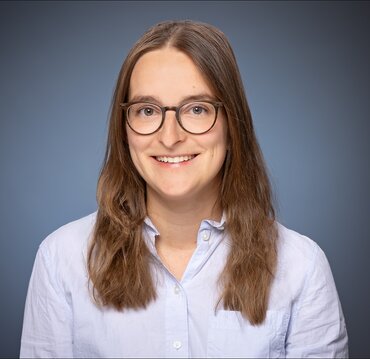
Jennifer Jansen performed her studies of Molecular Medicine at the Universities of Freiburg and Göttingen. In 2024, she completed her PhD studies at the department of Molecular Oncology of the University Medical Center Göttingen, and since then, she has been working there as a postdoctoral researcher.
Her scientific interest is centered around extraribosomal activities of the ribosomal protein eL22. During her doctoral studies, she found that eL22, particularly upon impaired ribosome biogenesis and nucleolar stress, e.g. induced by chemotherapeutics such as 5-fluorouracil (5-FU), promotes alternative splicing of the MDM4 oncogene and the formation of a nonfunctional MDM4 transcript variant. This causes p53 activation, diminished cell proliferation, and, as indicated by the presence of RPL22 mutations in human cancer, tumor suppression.
While it is known that eL22 binds to specific stem-loop RNA motifs to regulate splicing, the aim of the current project is to identify the RNA-binding specificities of eL22 in more detail. Moreover, the specific mechanisms and the regulation of eL22-dependent splicing will be investigated. Finally, eL22 also acts on the splicing of the UBAP2L pre-mRNA, causing the formation of an alternative UBAP2L protein variant, and it is intended to clarify the functional consequences of the UBAP2L splicing regulation by eL22.
Multiscale structural analysis of cardiomyocyte plasma membrane homeostasis in heart disease
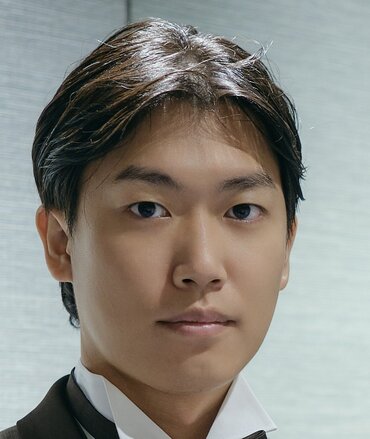
Dr. Yuta Yamazaki - Institute of Neuropathology
The plasma membrane (PM) of heart cells (cardiomyocytes) is frequently damaged due to heart contraction. Therefore, maintaining PM homeostasis is critical for cardiomyocyte survival and heart function. Mutations in factors involved in maintaining PM integrity, such as dysferlin and caveolin-3, lead to cardiac diseases, including cardiomyopathies and heart failure. Moreover, the cardiomyocyte PM undergoes significant structural rearrangements under atrial fibrillation. Despite this clinical relevance, the nanoscale molecular architecture of the cardiomyocyte PM and its alterations in disease remain poorly understood, partly due to the limitations of conventional imaging techniques.
This study aims to elucidate the structural basis of PM homeostasis in cardiomyocytes using a multiscale imaging approach across mouse, human iPSC-derived, and human patient cells. By integrating state-of-the-art cryo-electron tomography with insights into cardiac pathophysiology, I will image cardiomyocytes in native cellular environments to investigate the structural links between PM homeostasis and cardiac disease. To obtain a comprehensive perspective, I will complement high-resolution cryo-electron tomography views with tissue-wide structural data utilizing X-ray tomography. Furthermore, transcriptomic profiling will link these structural findings with genomic responses by identifying molecular candidates and pathways involved in PM homeostasis. Finally, these analyses will be extended to human pathology by directly analyzing atrial fibrillation patient samples. By defining the precise structural correlates of PM-related heart diseases, this research aims to provide a foundation for novel diagnostic and therapeutic strategies.