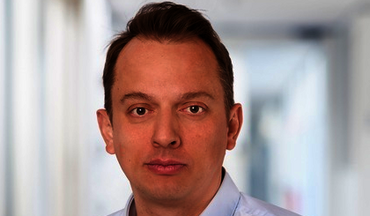
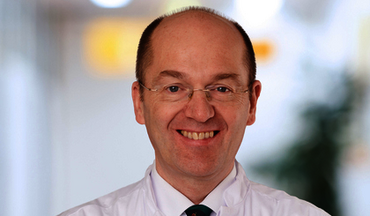
CCGD Members

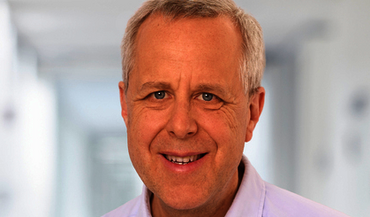
Prof. Dr. Holger Bastians

The Bastians lab focusses on the molecular mechanisms of cancer chromosomal instability (CIN) as a driving force for tumor progression, metastasis and therapy resistance. Using colorectal and pancreatic cancer as premier model systems exhibiting high levels of CIN the lab investigates how defects during DNA replication and mitosis contribute to CIN and tumor progression.

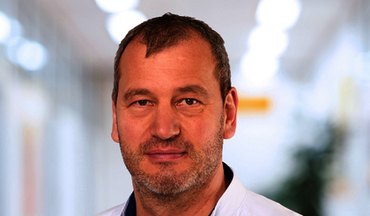
Prof. Dr. Elisabeth Hessmann

The Hessmann lab characterizes the role of transcription and chromatin-associated processes in the development, progression and therapy of pancreatic cancer and exploits these genome dynamic processes for a better treatment of this malignancy. 

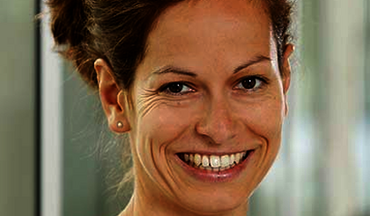
Prof. Dr. Kerstin Lenhof

The Lenhof lab develops trustworthy machine learning approaches for precision oncology, with particular emphasis on interpretability and uncertainty quantification. A central research focus is the prediction of tumour drug sensitivity and synergy.

Dr. Gražvydas Lukinavičius

Lukinavičius' research group develops advanced fluorescent probes and labeling technologies to visualize chromatin architecture and genome organization in living cells with super-resolution microscopy. By integrating chemical biology with state-of-the-art imaging, the group investigates chromatin dynamics and organization at the nanoscale, enabling new insights into genome regulation and cellular function.

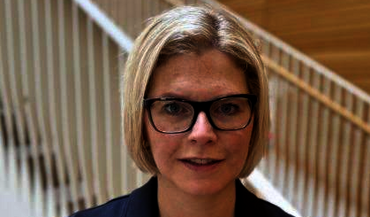
Prof. Dr. Elisa Oberbeckmann

The Oberbeckmann Lab investigates the molecular functions of ATP-dependent chromatin-remodelling enzymes and how their dysfunction contributes to cancer development. In particular, we aim to understand how these remodellers are regulated and targeted within the genome, with a focus on the roles of transcription factors, DNA sequence, and epigenetic modifications.

Prof. Dr. Argyris Papantonis

The Papantonis Lab studies the 3D organization of chromosomes inside human cell nuclei, with an emphasis on how this changes during malignant transformation and ageing. We typically combine high throughput genomics and computational tools with functional assays to understand the regulatory implications of these changes.

Dr. Gabriela Salinas

The NGS Integrative Genomics Core Unit (NIG) is a scientific, non-profit Next-Generation Sequencing (NGS) facility at the University Medical Center Göttingen (UMG), dedicated to advancing biomedical research across UMG and the wider Campus Göttingen research community. We provide researchers with access to state-of-the-art sequencing technologies, innovative methodologies, and expert scientific support. Our comprehensive portfolio enables the implementation of cutting-edge multi-omics applications, integrating genomics, transcriptomics, and epigenomics to address complex biological and translational research questions.

Prof. Dr. Günter Schneider

The Schneider Laboratory deciphers how cancer cells reprogram genome dynamics to survive stress and targeted treatment. We translate these adaptive mechanisms into therapeutic opportunities through functional screening and the development of epigenetic treatment strategies.

Dr. Johannes Söding

The Soeding lab develops methods for computational immunology and cancer immunotherapy. One focus is on analyzing T cell recetpr (TCR) repertoires with the longer term goal to detect cancer antigen and neoantigen-specific TCRs in patient samples for cancer screening. Another focus is on structural modeling of peptide-MHC and peptide-MHC-TCR complexes in order to improve the design of cancer vaccines. 

Follow us